Cities differ in how open-minded they are, and this matters for the success of innovations like Airbnb
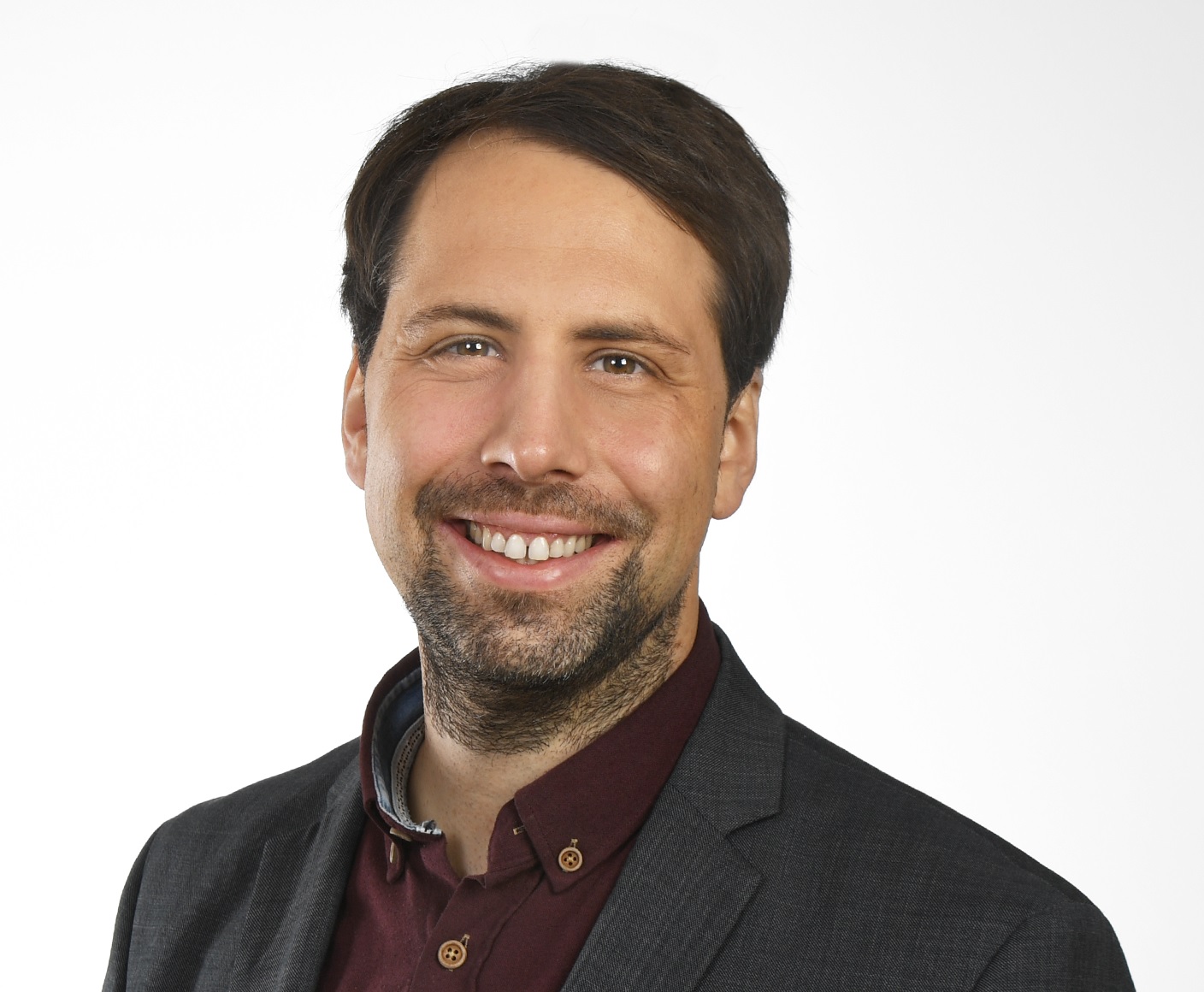
Cities with more psychologically open populations tend to adopt platform innovations earlier, finds new research led by Tobias Ebert of the University of St. Gallen in Switzerland.
The study examined the early diffusion of three types of disruptive innovations across hundreds of US metropolitan regions: accommodation-sharing platforms, such as Airbnb; ride-sharing platforms such as Uber; and social media platforms, using Flickr as an example. The study found that, during the first five years after the emergence of accommodation-sharing platforms, San Diego had four times as many hosts per capita as Minneapolis. Similarly, for ride-sharing platforms, San Diego had more than twice as many drivers per capita as Minneapolis.
The researchers analyzed personality data from more than 3 million residents across 349 U.S. cities. They found that regions with higher average levels of psychological openness tended to show greater early adoption across all three platforms. Psychological openness is a personality trait associated with curiosity, receptiveness to new experiences and a willingness to explore unfamiliar ideas.
To measure the adoption of accommodation and ride sharing platforms, the researchers used US tax records to identify new non-employer businesses in the relevant industries. For social media, the researchers used a different data source: a random sample of 80 million photographs uploaded to Flickr in the US between 2005-2015.
The relationship between psychological openness and early adoption remained when accounting for other regional characteristics, including demographics, income, education, urbanity, internet access and other personality traits.
“For businesses introducing new innovations, understanding the people and places most open to change could be just as important as understanding the technology itself. Regions with greater openness may provide a more receptive environment for new business models to take hold and grow,” says researcher Tobias Ebert.
The findings suggest that psychological openness may help explain why some places are more receptive to innovations than others. The researchers argue that openness can act as a form of social infrastructure, supporting experimentation, participation and the wider acceptance of new ways of doing things.
In sum, the study highlights the importance of looking beyond economic and technological conditions when examining how innovations diffuse. The characteristics of the populations adopting them may also help shape their early spread.
The study was published in the journal Research Policy.
ENDS/
For more information, to receive a copy of the paper or to speak with Tobias Ebert, please email Lucy Whytock at [email protected].
This press release was distributed by ResponseSource Press Release Wire on behalf of BlueSky Education in the following categories: Business & Finance, for more information visit https://pressreleasewire.responsesource.com/about.